Reflections/Feedback for 3 of my classmates' blogs:(Note: Their blogs may have not been updated when I accessed them)
KWAN JING YI (15)
http://chickentomyheart.blogspot.com/
Jingyi's blog is detailed and organised, and is easy on the eyes. (e.g she used tables to record her 3-day diet) She gave a detailed and extensive analysis of her diet, as well as an honest reflection on the project.
CHEONG YILEI (4)
http://hellomrsabbas.tumblr.com/
Yilei included photographs of the food she consumed over the three days, and she also made an effort to post immediately when she ate something, which shows that she took the project very seriously.
CEN SHUYUN (1)
http://allaboutgluttony.blogspot.com/
Shuyun showed her enthusiasm for the project through her posts, as she included her personal thoughts in her posts. However, the blog is not very organised, as some of her meals were recorded in separate posts and it may be slightly difficult to keep track of. Also, she did not mention the time at which she consumed the food, as well as the quantity of food she consumed. (And again, she may not have finished updating her blog yet...)
7:20 AM
Reflections on the PT:
What have you learnt about your eating habits?
I have learnt that I consume food that is high in cholesterol and sodium, but low in carbohydrates, fat, calcium and dietary fibre. This is extremely unhealthy, and I will make an effort to make my diet more balanced by reducing my intake of food high in cholesterol and sodium, as well as consuming more food rich in carbohydrates, fat, calcium and dietary fibre.
Do you consider your diet a healthy one? Why?
I do not consider my diet a healthy one, as I consume a lot more cholesterol and sodium as well as a lot less energy, carbohydrate, fat, calcium and dietary fibre than what I require daily. This puts me at the risk of high blood pressure, heart diseases and other conditions such as osteoporosis.
Are the suggested nutritional tools useful? How?
The suggested nutritional tools are useful because not only do they calculate the nutritional and energy composition of the food we consume, they also state whether our diet lacks certain nutrients and gives us advice on how to improve our diet. However, some foods cannot be found in the database and we have to enter a similar food item, thus the analysis of our diet is not completely accurate.
Why is your suggested one-dish meal healthy?
It is healthy because it consists of a balanced amount of both meat and vegetables, and does not contain MSG because chicken stock is used in the soup instead of MSG.
3:57 AM

Healthy One-dish Meal:Mee Hoon Kuay!
The mee hoon kuay that I consumed on Day Three consisted of mincemeat and a fairly small amount of vegetables (only one type of leafy vegetable). I have modified the dish to make it healthier by adding carrots, garlic and bak choy, which not only adds more variety to the dish but increases its dietary fibre content.
3:34 AM
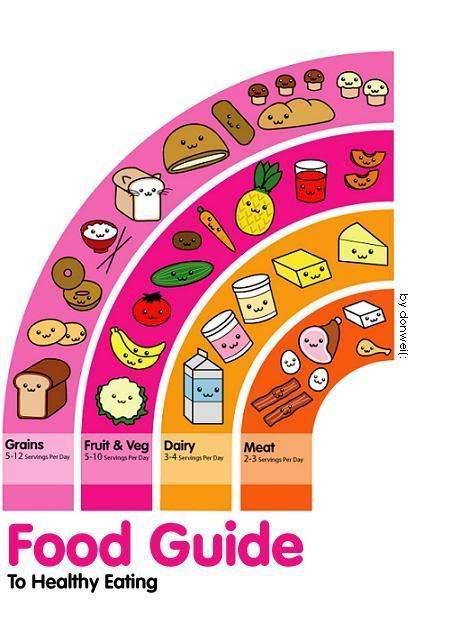
Healthy Diet Pyramid
According to the Healthy Diet Pyramid, these are the number of servings from each food group that we should eat every day:
Rice and alternatives: 5-7 servings
Fruit: 2 servings
Vegetables: 2 servings
Meat and alternatives: 2-3 servings
I will now analyse my diet according to the Healthy Diet Pyramid.
Day One
Bread with Nutella spread- 0.5 serving (Rice and alternatives)
Chicken rice- 2 servings (Rice and alternatives)
Bak kut teh- 2 servings (Meat and alternatives)+ 0.5 serving (Vegetables)
Total: 2.5 servings rice and alternatives
2 servings meat and alternatives
0.5 serving vegetables
Day TwoToast- 1 serving (Rice and alternatives)
Beef noodles- 1 serving (Rice and alternatives) + 1 serving (Meat and alternatives) + 1 serving (Vegetables)
Porridge- 2 servings (Rice and alternatives) + 0.5 serving (Meat and alternatives) + 0.5 serving (Vegetables)
Grapes- 0.5 serving (Fruits)
Total: 4 servings rice and alternatives
1.5 servings meat
1.5 servings vegetables
0.5 serving fruits
Day Three
Plain Crossaint- 1 serving (Rice and alternatives)
Fishball noodles- 1 serving (Rice and alternatives) + 0.5 serving (Meat and alternatives)
Rice with egg tofu- 1 serving (Rice and alternatives) + 1 serving (Meat and alternatives)
Mee hoon kueh- 1 serving (Rice and alternatives) + 0.5 serving (Meat and alternatives) 1serving (Vegetables)
Honeydew- 1 serving (Fruits)
Total: 4 servings rice and alternatives, 2 servings meat and alternatives, 1 serving vegetables and 1 serving fruits
Overall, I do not consume enough carbohydrates, fibre and proteins to meet the daily requirements as shown in the Healthy Diet Pyramid.
2:00 AM
To view the analysis done using the Energy & Nutrient Compositions of Food tool, please click on the "April 2010" button under the section named "VEGETABLES" in the column on the left.
6:51 AM
Food Intake Assessment
Based on the information you have provided, your daily energy requirement is estimated to be 1,866 kcal. This energy requirement is the level of calorie intake from food that will balance the calories your body burns, thus maintaining your weight. For weight loss, you should consume fewer calories and be more active. If you need to gain weight, consume more calories than your body requires.
My actual nutritional intake against RDA:
Energy- 56%
Carbohydrate- 52%
Protein- 95%
Total Fat- 46%
Saturated Fat- 53%
Cholesterol- 129%
Calcium-21%
Dietary Fibre- 59%
Sodium- 246%
Nutrition messages based on results:
Sodium
Your sodium intake was greater than the recommended amounts. Sodium acts like a sponge, holding water in our body. Excess sodium increases the blood volume, which then raises the pressure in our blood vessels. Hypertension or high blood pressure increases the risk of stroke and heart attacks.
The main source of sodium in our diet comes from salt (sodium chloride) and sauces added during cooking or at the table. To cut down on sodium intake, gradually reduce the use of salt and sauces when preparing or cooking food so that your taste buds have the chance to adjust. Try flavouring foods with natural seasonings like lemon juice or herbs and spices. Choose fresh food over processed foods over processed foods and enjoy the natural taste of foods. When eating out, ask for less sauces or gravy in dishes.
Dietary Fibre
You were not getting enough dietary fibre in your diet. An adequate intake of dietary fibre can help to promote proper bowel functions, reduce blood cholesterol and control blood glucose levels. Dietary fibre can also help to make you feel full longer. Dietary fibre can only be obtained from plant-based foods. Remember to have your 2 servings of fruit and 2 servings of vegetables everyday. Choose fresh fruit or vegetables rather than the juice, and eat the skin (if edible) of cleaned fruit or vegetables. Replace meat-based dishes with beans, peas or lentils in you diet on alternate days. Try to consume 1 serving of wholegrain products from the rice and alternatives group daily, for example unpolished rice and wholemeal bread.
Cholesterol
Your intake of cholesterol was more than the recommended amount. Excessive cholesterol intake, especially as part of a high fat diet, can increase blood cholesterol level and put you at risk of heart diseases.
To cut down the intake of cholesterol, replace meat with beans, peas, lentils or bean products 3 times a week. For healthy adults and adolescents, limit eggs to 4 per week. In recipes, try to replace part of the use of whole eggs with just the egg white. Shellfish, prawns, shrimps, crabs, cuttlefish etc as well as organ meats should be eaten no more than twice a week and in small portions.
Calcium
You were not getting enough calcium in your diet. Without adequate calcium, you may be at risk of developing osteoporosis, a condition where your bones become weak and brittle. If left untreated, osteoporosis can worsen until a fracture (crack or break in the bone) occurs.
Increase your calcium intake from a variety of sources. Consume calcium-enriched breads and biscuits, green leafy vegetables, calcium-fortified juices, high-calcium soya bean milk, ikan bilis, sardines (with bones), tofu, as well as milk and other dairy products. Vitamin D helps our body absorb calcium. Your body can make this vitamin after sunlight hits your skin. You can easily obtain enough by getting at least 30-60 minutes of sunlight a day.
Aside from eating wisely, remember to make exercise a part of your life. Exercise helps to burn fat, tone your muscles, improve your stamina, relax and sleep better, as well as keep you alert and study better! Exercise at least 20 to 60 minutes, 3 to 5 times a week, until you sweat and breathe deeply without getting breathless. Choose an exercise that you enjoy, and try a variety so that you don’t get bored. Keep your exercise routine simple, fun and interesting.
When shopping for food, look out for products with the Healthier Choice Symbol. These products are lower in total fat, saturated fat, sodium and/or dietary fibre content compared to other products in the same category.
6:43 AM
Diet for Day Three- 19th April, Monday
6.30am- Crossaint (1 piece)
9.50am- Fishball noodles (1 bowl)
1.20pm- Rice with egg tofu (1 plate)
7.15pm- Mee hoon kuay (1 bowl)
7.40pm- Honeydew (1 slice)
6:35 AM
Diet for Day Two- 18th April, Sunday
8.30am- Toast (2 slices)
12.45pm- Beef noodles (1 bowl)
7.00pm- Porridge (1 bowl)
7.20pm- Grapes (0.5 serving)
6:35 AM
Diet for Day One- 17th April, Saturday
8.30am- Bread with Nutella spread (1 slice)
1.15pm- Chicken rice (1 plate)
5.45pm- Bak kut teh (1 bowl)
6:33 AM